
How Specific Nutrients Influence Immune System Function
The link between diet and immune defense
The immune system works through many cells and barriers that protect the body from outside threats. Food supplies the raw materials these cells need to form and function. When intake of certain nutrients falls short over time, some of these processes slow or become less effective. The connection shows up most clearly with a handful of vitamins and minerals that have been studied for decades in both healthy people and those recovering from illness.
A person does not need special foods to keep the system running, but consistent shortfalls in a few nutrients can leave gaps. Everyday meals that include fruits, vegetables, dairy or fortified alternatives, and protein sources usually cover the main needs. The effects of diet appear gradually rather than overnight.
Vitamins that support immune responses
Vitamin A keeps the surfaces of the eyes, nose, and throat intact so they can block germs. It also helps certain white blood cells develop properly. Liver, carrots, sweet potatoes, and spinach supply it in useful amounts. People who eat very few colorful vegetables or who have trouble absorbing fat can run low.
Vitamin C acts as an antioxidant and assists the movement of immune cells to sites of irritation. Citrus fruit, peppers, broccoli, and strawberries contain it. Because the body does not store large amounts, regular intake from food matters more than occasional large portions. Some studies note that extra vitamin C shortens the length of a cold in certain groups, but results differ by person.
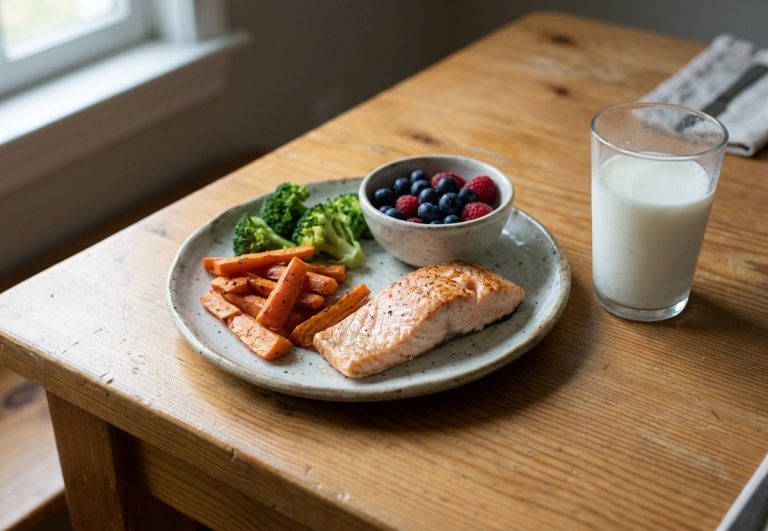
Vitamin D influences how immune cells multiply and release signaling molecules. The skin makes it after sunlight exposure, and it also comes from fatty fish, egg yolks, and fortified milk. In places with long winters or among people who stay indoors, blood levels often drop. The exact amount needed to support immunity varies with age, skin tone, and location.
Zinc and its part in cell activity
Zinc participates in the division of immune cells and in the production of proteins that help control inflammation. Meat, shellfish, beans, nuts, and whole grains provide it. Absorption decreases when meals contain a lot of fiber or phytates from grains, so variety helps. Older adults and those on restricted plant diets sometimes show lower zinc status.
Low zinc affects wound healing and the response to common respiratory viruses. The body cannot make zinc, so daily food sources matter. Both too little and too much can disturb balance, though most people reach the middle range through ordinary eating.
Common foods and signs of short supply
A mixed plate usually covers these nutrients without special planning. Breakfast that includes eggs or fortified cereal plus fruit gives vitamin D, A, and C. Lunch or dinner with meat or beans, a cooked vegetable, and a piece of fruit adds zinc and more vitamin A. Snacks such as yogurt or a handful of nuts fill small gaps.
Deficiencies rarely appear overnight. They show up after months of limited variety, illness that reduces appetite, or digestive conditions that limit absorption. Pale skin, frequent mouth sores, slow healing cuts, or repeated respiratory infections can point to low status, but only blood tests confirm the cause. Many adults maintain steady levels simply by eating from all food groups across the week.
Keeping intake steady without excess
Most people do better aiming for regular meals rather than single nutrient spikes. Cooking methods matter little for these particular nutrients; brief steaming preserves vitamin C better than long boiling. When someone cannot eat certain foods because of allergy or preference, a doctor or dietitian can suggest substitutes or check whether a supplement is useful.
Portion sizes stay modest. A medium carrot or a cup of berries several times a week adds noticeable amounts. The same holds for a serving of fish or poultry a few times weekly. Over time these patterns add up to support the daily work of immune cells without requiring perfect daily totals.