20th International Congress of Nutrition – Granada 2013

International Congress Of Nutrition - Presentation

Our congress of nutrition presentation is one of the best sources of information on nutrition. Nutrition can be a very complex subject that a lot of people don't want to delve into. It can be intimidating because of the multitude of different sub-topics and other intricacies surrounding it. But that is why we created our materials.

The upcoming ICN event will take place at the Granada Conference and Exhibition Centre, a state-of-the-art facility located in Europe. This six-story venue boasts two main auditoriums, Gracia Lorca and Manuel de Falla, with seating capacities of up to 2,000 and 500, respectively. Additionally, there are nine versatile rooms for scientific sessions, accommodating between 200 and 600 attendees, along with 22 breakout, workshop, and seminar spaces. The venue also offers a spacious exhibition hall for both commercial exhibitions and scientific poster sessions, complemented by excellent restaurant facilities and two coffee bars.

Granada is conveniently served by two airports, Granada Airport (just 14 minutes from the city center) and Malaga Airport (Spain's third busiest airport), which is approximately an hour away from Granada. Both airports provide multiple daily low-cost and regular flights to and from major domestic and international destinations, including Madrid and Barcelona.

In terms of the scientific program, the congress will span five days, featuring 7 Plenary lectures, 32 Special Lectures, 90 Parallel Symposia, 4 Debates, a Living Legend Session, and 24 Sessions of Oral Communications. Additionally, there will be 36 Sponsored Symposia and 16 Satellite Symposia.

With an increasing number of European citizens hailing from diverse backgrounds such as Africa, Latin America, and Eastern Europe, the ICN 2013 has adopted the theme "Joining Cultures through Nutrition." Our overarching objective is to host an inclusive and forward-looking congress that brings together various cultures, traditions, and global perspectives on nutritional development.

We are committed to delivering an exceptional, contemporary, and culturally rich congress experience, uniting experts and enthusiasts from around the world to explore the latest advancements in the field of nutrition.

Your attention to our event is greatly appreciated, and we eagerly anticipate the opportunity to welcome you to Granada. We have also prepared a special video showcasing Granada, Andalucia, and Spain for your enjoyment. Thank you for your interest, and we look forward to your participation!

How Proper Nutrition Powers Electricians Through Long Days in Coeur d’Alene

The Demanding Physical Reality of Electrical Work

Electricians face unique physical and mental demands that many office workers never experience. Crawling through tight attic spaces in summer heat, standing for hours troubleshooting complex electrical panels, and maintaining laser-sharp focus while working with potentially dangerous voltage—these challenges require sustained energy and mental clarity throughout long workdays.

In Coeur d’Alene, Idaho, where temperature swings can be dramatic and job sites range from lakeside homes to commercial buildings in the downtown core, electricians need more than just technical skills and proper safety equipment. They need fuel that keeps their bodies and minds performing at peak levels from the first service call at 7 AM to the emergency repair that might extend past dinner time.

The connection between nutrition and job performance isn’t just about avoiding hunger. It’s about maintaining steady blood sugar levels that prevent the mid-afternoon crash, supporting muscle recovery after physically demanding installations, and keeping cognitive function sharp when making critical safety decisions.

Why Standard American Eating Habits Fail Tradespeople

The typical American diet—heavy on processed foods, refined carbohydrates, and sugar—creates an energy roller coaster that’s particularly problematic for electricians. A breakfast of donuts and coffee might provide a quick burst of energy, but it inevitably leads to a crash that compromises both safety and productivity.

When blood sugar drops, reaction times slow, decision-making becomes impaired, and physical coordination suffers. For someone working with live electrical circuits or climbing ladders, these effects aren’t just inconvenient—they’re genuinely dangerous.

Many electricians fall into the trap of grabbing whatever’s convenient: fast food between jobs, energy drinks to push through fatigue, or skipping meals entirely when schedules get hectic. These patterns might seem to work in the short term, but they contribute to chronic fatigue, weight gain, increased injury risk, and long-term health problems that can cut careers short.

Building a Nutrition Foundation for Sustained Energy

Start With a Protein-Rich Breakfast

The morning meal sets the tone for the entire day. Electricians who begin with a protein-centered breakfast—eggs, Greek yogurt, or even leftover chicken—report more stable energy and better focus throughout their shifts.

Protein takes longer to digest than simple carbohydrates, providing a steady release of energy rather than a spike and crash. Pairing protein with complex carbohydrates like oatmeal or whole grain toast creates an even more sustained fuel source.

Pack Strategic Snacks and Lunches

When you’re moving between job sites in Coeur d’Alene, convenience often determines food choices. Planning ahead makes all the difference. Consider these portable, nutrient-dense options:

  • Mixed nuts and seeds for healthy fats and protein
  • Hard-boiled eggs prepared in batches
  • Beef jerky or turkey sticks (watch sodium content)
  • Apple slices with almond butter
  • Vegetable sticks with hummus
  • Protein bars with minimal added sugar

For lunches, focus on balanced meals that include lean protein, vegetables, and complex carbohydrates. A turkey and avocado wrap with vegetables, a grain bowl with chicken and roasted vegetables, or a hearty soup with beans and lean meat all provide sustained energy without the post-meal sluggishness that comes from heavy, greasy foods.

Hydration: The Often-Overlooked Performance Factor

Even mild dehydration impairs physical performance and cognitive function. In Idaho’s dry climate, electricians can become dehydrated quickly, especially when working in hot attics or outdoor installations during summer months.

Water should be the primary beverage throughout the day. A good rule of thumb is to drink half your body weight in ounces—so a 180-pound electrician should aim for 90 ounces of water daily, more on particularly hot or physically demanding days.

Energy drinks and excessive coffee might seem helpful, but they often lead to dehydration and energy crashes. If you need caffeine, moderate amounts of coffee or tea are fine, but they shouldn’t replace water intake.

Real-World Implementation for Busy Electricians

Professional electricians working with established companies like Curritech Electricians of Coeur dAlene often have demanding schedules that make nutrition planning challenging. The key is developing systems that work with your lifestyle rather than against it.

Meal Prep Strategies That Actually Work

You don’t need to spend hours in the kitchen every Sunday to eat well. Simple strategies include:

Cooking proteins in bulk—grill several chicken breasts or prepare a large batch of ground turkey that can be used in various meals throughout the week. Chop vegetables once and store them in containers for easy grab-and-go additions to meals. Invest in a quality cooler that keeps food fresh throughout your workday.

Managing Appetite and Cravings

Physical work naturally increases appetite, but distinguishing between true hunger and habit-driven eating is important. Eating balanced meals with adequate protein and healthy fats helps regulate appetite hormones and reduces cravings for junk food.

electricians working at nutrition congress

When cravings do strike, having healthy alternatives readily available prevents poor choices. Keep nutritious options in your vehicle and at home so the path of least resistance leads to good decisions.

The Long-Term Payoff of Proper Nutrition

Electricians who prioritize nutrition consistently report better energy levels, improved mood, easier weight management, and fewer sick days. Over years and decades, these habits contribute to career longevity and quality of life both on and off the job.

The physical demands of electrical work don’t decrease with age, making it essential to build sustainable health habits early. Proper nutrition supports joint health, maintains muscle mass, and keeps inflammation in check—all factors that determine whether you can continue working comfortably into your 50s, 60s, and beyond. Organizations like the Associated General Contractors of America recognize that worker health and wellness directly impact productivity and safety across all construction trades.

Taking the First Steps

Transforming your nutrition doesn’t require perfection or drastic overnight changes. Start with one or two improvements: maybe it’s bringing a packed lunch three days a week instead of hitting the drive-through, or replacing afternoon candy bars with mixed nuts.

Small, consistent changes compound over time into significant results. Your body is the most important tool you bring to every job site—fuel it accordingly, and it will serve you well throughout your entire career.

Continue reading →

AC Repair in Kissimmee: Supporting Optimal Conditions for Health and Nutrition Research

Debunking the Myth: Temperature Control Isn’t Just About Comfort

Many people mistakenly believe that air conditioning is simply a luxury designed to keep us comfortable during Florida’s sweltering summers. This oversimplification ignores a critical reality: precise climate control is absolutely essential for scientific research, particularly in health and nutrition studies conducted throughout Kissimmee and Central Florida. The truth is that temperature and humidity fluctuations can completely invalidate research results, compromise sample integrity, and waste millions of dollars in grant funding.

Why Health Research Facilities Cannot Tolerate AC Failures

Here’s what most people get wrong about laboratory environments: they assume that as long as the space feels “cool enough,” everything is fine. This couldn’t be further from the truth. Nutrition research requires exacting environmental standards that most residential or commercial systems simply weren’t designed to maintain.

Temperature-sensitive materials used in health research include:

  • Biological samples and tissue cultures that degrade rapidly outside narrow temperature ranges
  • Nutritional supplements and compounds being tested for efficacy studies
  • Pharmaceutical preparations that lose potency when exposed to heat
  • Precision instruments and analytical equipment requiring stable operating conditions
  • Control samples that must remain viable for months or years

A single overnight AC failure during a Florida summer can destroy years of painstaking research work. The myth that “it’s just uncomfortable for a few hours” reveals a dangerous misunderstanding of what’s actually at stake.

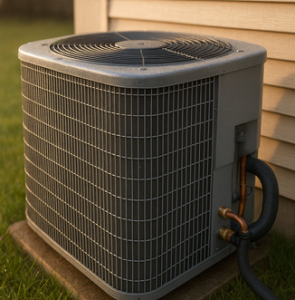
ac repair kissimmee fl

The Hidden Threat: Humidity Control Matters More Than Temperature

Another widespread misconception is that temperature alone determines whether research conditions are adequate. In reality, humidity control is equally critical for maintaining research integrity. Kissimmee’s subtropical climate creates particular challenges that many people underestimate.

Excessive humidity promotes mold growth, accelerates chemical reactions, affects weighing accuracy for nutritional studies, and causes condensation on sensitive equipment. Meanwhile, air that’s too dry can lead to static electricity discharge that damages electronic instruments, desiccation of biological samples, and inaccurate measurements in nutrition formulation work.

Why Preventive Maintenance Isn’t Optional for Research Facilities

Here’s where facility managers often get it wrong: they wait until something breaks before calling for service. This reactive approach might work for residential properties, but it’s completely inadequate for environments supporting scientific research. When health and nutrition studies are underway, there’s no such thing as “acceptable downtime.”

Research facilities throughout Central Florida need to establish relationships with qualified service providers who understand the unique demands of scientific environments. This is the ac repair in Kissimmee that research institutions and health facilities genuinely require—not just emergency fixes, but comprehensive preventive maintenance programs.

The Real Cost of Cutting Corners on Climate Control

Some administrators mistakenly believe they can save money by delaying HVAC upgrades or skipping routine maintenance. This penny-wise, pound-foolish approach ignores the exponentially higher costs of research failure. Modern building technologies, as outlined by the U.S. Department of Energy, emphasize the importance of efficient and reliable climate control systems for specialized facilities. A single compromised study can mean:

  • Loss of irreplaceable biological samples collected over months or years
  • Wasted salary costs for research staff whose work becomes invalidated
  • Damaged institutional reputation and difficulty securing future grants
  • Regulatory compliance violations that can shut down entire research programs

Moving Beyond Misconceptions: What Research Facilities Actually Need

The bottom line is this: health and nutrition research cannot proceed without reliable, precision climate control. Kissimmee’s growing research community needs to abandon outdated assumptions about air conditioning being merely a comfort amenity. Instead, facility managers must recognize HVAC systems as critical research infrastructure that deserves the same attention and investment as laboratory equipment itself.

Proper environmental control isn’t an expense—it’s insurance against catastrophic research losses that can cost institutions far more than any maintenance program ever would.

Continue reading →

Jersey City Pest Controllers Reveal: Why Nutrition Starts With Pest Management That Keeps Food Safe

The Hidden Connection Between Pest Control and Nutritional Health

When most people think about nutrition, they focus on selecting fresh produce, lean proteins, and whole grains. However, an often-overlooked factor in maintaining nutritional quality is protecting food from pest contamination. Pests pose serious threats to food safety, compromising the nutritional value and safety of the foods we consume daily.

Rodents, insects, and other pests carry harmful bacteria, pathogens, and parasites that can contaminate food supplies at multiple points in the supply chain. From grocery stores to home kitchens, pest activity can introduce dangerous microorganisms like Salmonella, E. coli, and Listeria into our food environment. Understanding this connection is essential for anyone concerned about their family’s health and well-being.

How Pests Compromise Food Quality and Safety

Pests affect food in several devastating ways that directly impact nutrition and safety. Rodents and cockroaches leave behind droppings, urine, and shed skin that contaminate surfaces where food is prepared and stored. These contaminants introduce bacteria and allergens that can cause serious illness.

Direct Contamination

When pests come into contact with food, they transfer pathogens from their bodies and waste products. A single mouse can produce up to 75 droppings per day, each potentially carrying disease-causing organisms. Cockroaches regurgitate digestive fluids and defecate on surfaces as they move, spreading bacteria across countertops, pantries, and food storage areas.

Nutrient Degradation

Beyond contamination, pests actually consume and destroy nutritious food. Pantry moths, weevils, and beetles infest grains, cereals, nuts, and dried goods, rendering them inedible. This not only wastes food but forces families to discard items they planned to use for balanced meals.

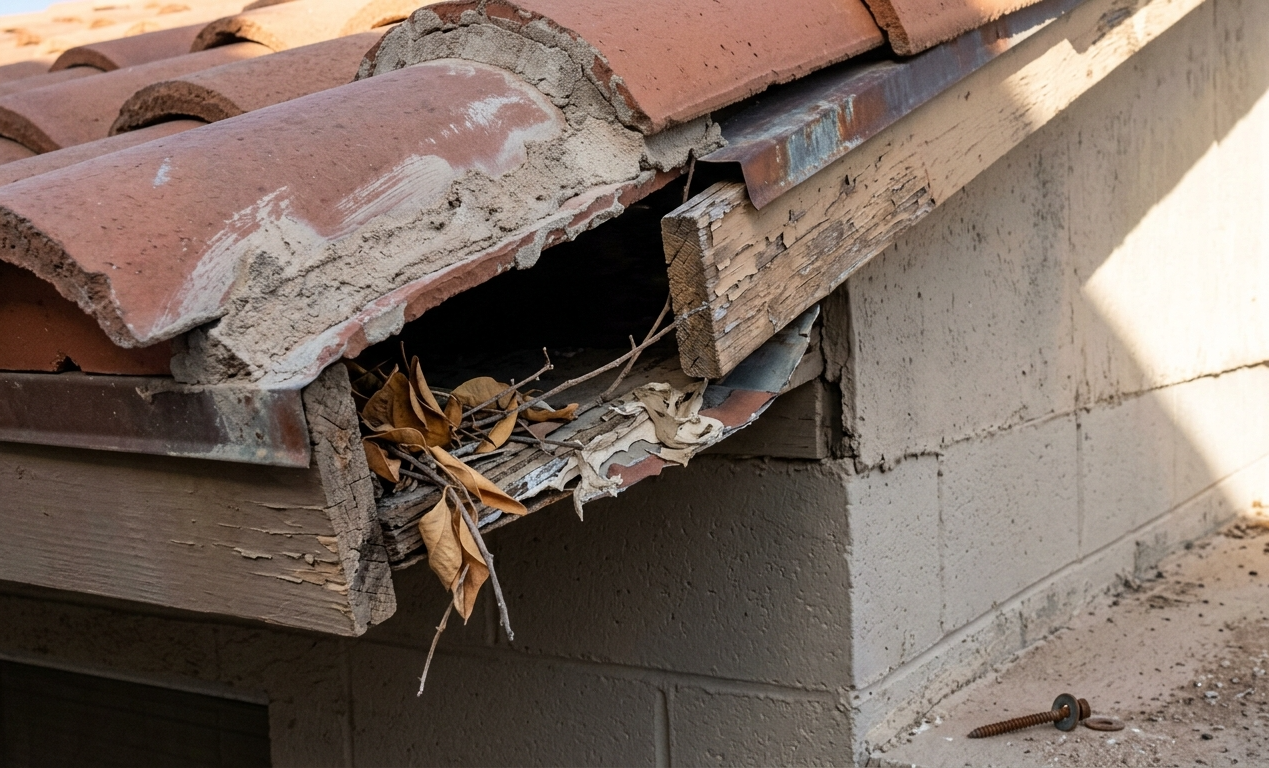
termite damage on building pillar in jersey city

The Role of Professional Pest Management in Protecting Nutrition

Professional pest control services play a critical role in maintaining food safety throughout Jersey City communities. Effective pest management creates protective barriers that keep contaminating pests away from food sources, ensuring that the nutritional value of stored and prepared foods remains intact.

Regular inspections identify potential pest entry points, conducive conditions, and early signs of infestation before they become serious problems. Professional technicians understand pest behavior patterns and can implement targeted strategies that address specific threats to food safety. This is why partnering with Jersey City Pest Control professionals is essential for maintaining a healthy home environment where food remains safe and nutritious.

Preventive Measures for Homeowners

While professional services provide comprehensive protection, homeowners can take important steps to support pest management efforts and protect their food supply. Research from the University of Florida IFAS Extension and other scientific institutions has established best practices for integrated pest management in residential settings.

Proper Food Storage

  • Store dry goods in airtight containers made of glass or heavy plastic
  • Keep fruits and vegetables in sealed containers or refrigerators
  • Never leave food out overnight on countertops
  • Regularly check expiration dates and rotate food stocks

Sanitation Practices

  • Clean up spills and crumbs immediately after meals
  • Take out garbage regularly and use sealed trash containers
  • Wipe down countertops, tables, and food preparation areas daily
  • Vacuum and sweep floors frequently to remove food particles

The Long-Term Health Impact

Maintaining a pest-free environment isn’t just about avoiding immediate contamination—it’s about supporting long-term health outcomes for your entire family. When food remains uncontaminated by pests, its nutritional value is preserved, and the risk of foodborne illness decreases dramatically.

Children, elderly family members, and those with compromised immune systems are particularly vulnerable to pest-related food contamination. Protecting these vulnerable populations requires vigilant pest management combined with proper food handling practices. Studies supported by organizations like NSF continue to demonstrate the critical link between pest control and public health outcomes.

Building a Comprehensive Food Safety Strategy

True nutritional health begins with ensuring that the food entering your body is safe, clean, and free from pest contamination. By combining professional pest control services with proper home sanitation and food storage practices, Jersey City residents can create environments where nutrition and safety work together to support optimal health outcomes for years to come.

Continue reading →

How Haverhill Plumbers Have Helped Improve Public Health

The Unsung Heroes of Community Health

When we think about public health heroes, we often picture doctors, nurses, and researchers working tirelessly to keep communities safe. But there’s another group of professionals who have quietly revolutionized health outcomes in cities across America: plumbers. In Haverhill, Massachusetts, these skilled tradespeople have played an instrumental role in transforming public health standards, creating ripple effects that extend even into nutritional well-being.

The story of plumbing and public health is one of the most remarkable yet underappreciated narratives in modern history. Before reliable plumbing systems became standard in American homes, waterborne diseases were rampant, life expectancy was dramatically lower, and communities struggled with basic sanitation. Haverhill’s journey from a 19th-century mill town to a modern city with excellent infrastructure showcases exactly how critical proper plumbing has been to our collective well-being.

Haverhill’s Historical Water Challenges

Haverhill’s location along the Merrimack River made it an ideal spot for industry during the Industrial Revolution, but it also presented unique challenges for public health. The same river that powered textile mills also served as both water source and waste disposal system for much of the city’s early history.

In the late 1800s and early 1900s, Haverhill residents faced regular outbreaks of typhoid fever, cholera, and dysentery—all diseases directly linked to contaminated water supplies. The city’s rapid growth during the industrial boom meant that traditional well and outhouse systems simply couldn’t keep pace with the population density. Something had to change, and that change came through the development of modern plumbing infrastructure.

The Plumbing Revolution in Haverhill

Bringing Clean Water to Every Home

The establishment of Haverhill’s municipal water system in the late 19th century marked a turning point for public health. But having a central water supply was only half the battle—getting that clean water into homes required skilled plumbers who understood both the science of water distribution and the practical challenges of New England construction.

Haverhill’s housing stock includes everything from historic colonials to modern subdivisions, each presenting unique plumbing challenges. The freeze-thaw cycles of Massachusetts winters demand expertise in pipe placement and insulation. Local plumbers developed specialized knowledge about protecting water lines from our harsh climate while ensuring consistent access to clean water year-round.

Waste Removal and Disease Prevention

Perhaps even more critical than clean water delivery was the development of effective wastewater removal systems. Before modern sewage systems, human waste disposal was haphazard at best, creating breeding grounds for disease-carrying pests and contaminating groundwater supplies.

Haverhill plumbers were instrumental in connecting homes to the municipal sewer system, eliminating cesspools and outhouses that had long posed health hazards. This wasn’t simply a matter of running pipes—it required understanding proper venting, trap installation, and grade calculations to ensure waste moved efficiently away from living spaces without creating dangerous gas buildups or backflow situations.

The Direct Impact on Public Health Outcomes

The improvements in plumbing infrastructure led to measurable health benefits that transformed Haverhill from a city plagued by waterborne illness to one with health outcomes comparable to any modern American community.

Dramatic Reduction in Waterborne Diseases: Once proper plumbing became standard in Haverhill homes, cases of typhoid, cholera, and dysentery plummeted. The separation of clean water supply from waste disposal eliminated the primary transmission route for these deadly diseases.

Improved Infant Mortality Rates: Before reliable plumbing, infant mortality rates were shockingly high, with contaminated water being a leading cause. Clean water access allowed parents to safely prepare formula, clean bottles, and maintain hygiene standards that dramatically improved infant survival rates.

Better Overall Hygiene: Indoor plumbing made regular bathing and handwashing practical for average families. This seemingly simple change had profound effects on the transmission of communicable diseases throughout the community.

The Unexpected Connection to Nutrition

While the link between plumbing and disease prevention is well established, fewer people recognize how modern plumbing has indirectly improved nutritional outcomes in communities like Haverhill.

Food Safety and Preparation

Access to clean running water revolutionized food preparation and safety. Families could thoroughly wash produce, clean cooking surfaces, and maintain sanitary kitchens in ways that were simply impossible when water had to be hauled from wells or pumps. This reduced foodborne illness and allowed for safer food preservation techniques.

The ability to easily wash fruits and vegetables meant that families were more likely to include fresh produce in their diets. When washing lettuce meant hauling and heating water, many families understandably opted for foods requiring less preparation. Modern plumbing removed this barrier to healthy eating.

Supporting Local Food Systems

Haverhill’s restaurants, food processors, and markets all depend on reliable plumbing to meet health code requirements. A skilled plumber in Haverhill ensures these businesses can maintain the sanitation standards necessary to operate, supporting a diverse local food economy that gives residents access to nutritious options.

From the farmers’ markets downtown to the restaurants along Washington Street, every food-related business relies on properly functioning plumbing systems. When a commercial kitchen experiences plumbing issues, it’s not just an inconvenience—it can force closure and threaten public health. Local plumbers keep these essential businesses running, maintaining the food supply chain that nourishes our community.

Home Gardening and Food Production

Modern plumbing has also enabled home gardening on a scale that wasn’t practical in earlier eras. Haverhill residents with vegetable gardens can easily water their plots with clean municipal water, supporting home food production that supplements family nutrition. Outdoor spigots and hose connections—simple plumbing features we take for granted—make it feasible for families to grow tomatoes, peppers, herbs, and other nutritious foods in their own yards.

Modern Challenges and Ongoing Improvements

The work of maintaining and improving Haverhill’s plumbing infrastructure is never truly finished. Today’s plumbers face new challenges that continue to impact public health.

haverhill plumbing equipment

Lead Pipe Replacement

Like many older New England cities, Haverhill still has some properties with lead service lines or lead solder in older plumbing systems. Lead exposure poses serious health risks, particularly for children, affecting cognitive development and overall health. Local plumbers are at the forefront of identifying and replacing these hazardous materials, working with homeowners and the city to ensure safe water delivery.

Water Conservation and Quality

Modern plumbing isn’t just about access—it’s also about sustainability and quality. Today’s plumbers install low-flow fixtures that conserve water without sacrificing performance, water filtration systems that remove contaminants, and backflow prevention devices that protect the municipal supply from contamination. These installations follow standards established by organizations like the American National Standards Institute to ensure safety and reliability.

In a community like Haverhill, where many homes still rely on well water in certain neighborhoods, plumbers provide critical services testing water quality, installing treatment systems, and ensuring private water supplies meet safety standards.

Emergency Response and Disaster Prevention

New England weather can be brutal on plumbing systems. Frozen pipes, flooding from nor’easters, and the general wear that comes from temperature extremes mean that emergency plumbing services are essential to maintaining public health. A burst pipe in winter isn’t just property damage—it can render a home uninhabitable and create conditions for mold growth that threatens respiratory health.

Looking Forward: The Future of Plumbing and Public Health

As Haverhill continues to grow and evolve, plumbers will remain essential to public health infrastructure. Emerging challenges like climate change, aging infrastructure, and new contaminants require ongoing expertise and innovation.

Climate Adaptation: As weather patterns become more extreme, plumbing systems must be designed to handle both intense cold snaps and heavy precipitation events. Local plumbers are developing new strategies for protecting systems against these challenges.

Smart Home Technology: Modern plumbing increasingly incorporates sensors and monitoring systems that can detect leaks, track water quality, and alert homeowners to problems before they become health hazards.

Sustainable Systems: From greywater recycling to rainwater harvesting, innovative plumbing solutions can reduce strain on municipal systems while maintaining health standards.

nutrient delivery pipeline infrastructure

Recognizing the Impact

The next time you turn on your tap for a glass of clean water, wash your hands before preparing a meal, or take a hot shower after a cold Massachusetts day, take a moment to appreciate the complex systems and skilled professionals that make it possible. Haverhill’s plumbers have been instrumental in creating the healthy, thriving community we enjoy today.

Their work has saved countless lives, prevented immeasurable suffering, and created the conditions necessary for good nutrition and overall wellness. While they may not wear white coats or work in hospitals, plumbers are undeniably public health professionals whose contributions deserve recognition and respect.

From the early pioneers who installed Haverhill’s first indoor plumbing systems to today’s professionals maintaining and upgrading our infrastructure, these skilled tradespeople have shaped our community’s health outcomes in profound ways. The clean water flowing through our homes, the safe disposal of waste, and the sanitary conditions we often take for granted are all testaments to their expertise and dedication to our community’s well-being.

Continue reading →