How Haverhill Plumbers Have Helped Improve Public Health
The Unsung Heroes of Community Health
When we think about public health heroes, we often picture doctors, nurses, and researchers working tirelessly to keep communities safe. But there’s another group of professionals who have quietly revolutionized health outcomes in cities across America: plumbers. In Haverhill, Massachusetts, these skilled tradespeople have played an instrumental role in transforming public health standards, creating ripple effects that extend even into nutritional well-being.
The story of plumbing and public health is one of the most remarkable yet underappreciated narratives in modern history. Before reliable plumbing systems became standard in American homes, waterborne diseases were rampant, life expectancy was dramatically lower, and communities struggled with basic sanitation. Haverhill’s journey from a 19th-century mill town to a modern city with excellent infrastructure showcases exactly how critical proper plumbing has been to our collective well-being.
Haverhill’s Historical Water Challenges
Haverhill’s location along the Merrimack River made it an ideal spot for industry during the Industrial Revolution, but it also presented unique challenges for public health. The same river that powered textile mills also served as both water source and waste disposal system for much of the city’s early history.
In the late 1800s and early 1900s, Haverhill residents faced regular outbreaks of typhoid fever, cholera, and dysentery—all diseases directly linked to contaminated water supplies. The city’s rapid growth during the industrial boom meant that traditional well and outhouse systems simply couldn’t keep pace with the population density. Something had to change, and that change came through the development of modern plumbing infrastructure.
The Plumbing Revolution in Haverhill
Bringing Clean Water to Every Home
The establishment of Haverhill’s municipal water system in the late 19th century marked a turning point for public health. But having a central water supply was only half the battle—getting that clean water into homes required skilled plumbers who understood both the science of water distribution and the practical challenges of New England construction.
Haverhill’s housing stock includes everything from historic colonials to modern subdivisions, each presenting unique plumbing challenges. The freeze-thaw cycles of Massachusetts winters demand expertise in pipe placement and insulation. Local plumbers developed specialized knowledge about protecting water lines from our harsh climate while ensuring consistent access to clean water year-round.
Waste Removal and Disease Prevention
Perhaps even more critical than clean water delivery was the development of effective wastewater removal systems. Before modern sewage systems, human waste disposal was haphazard at best, creating breeding grounds for disease-carrying pests and contaminating groundwater supplies.
Haverhill plumbers were instrumental in connecting homes to the municipal sewer system, eliminating cesspools and outhouses that had long posed health hazards. This wasn’t simply a matter of running pipes—it required understanding proper venting, trap installation, and grade calculations to ensure waste moved efficiently away from living spaces without creating dangerous gas buildups or backflow situations.
The Direct Impact on Public Health Outcomes
The improvements in plumbing infrastructure led to measurable health benefits that transformed Haverhill from a city plagued by waterborne illness to one with health outcomes comparable to any modern American community.
Dramatic Reduction in Waterborne Diseases: Once proper plumbing became standard in Haverhill homes, cases of typhoid, cholera, and dysentery plummeted. The separation of clean water supply from waste disposal eliminated the primary transmission route for these deadly diseases.
Improved Infant Mortality Rates: Before reliable plumbing, infant mortality rates were shockingly high, with contaminated water being a leading cause. Clean water access allowed parents to safely prepare formula, clean bottles, and maintain hygiene standards that dramatically improved infant survival rates.
Better Overall Hygiene: Indoor plumbing made regular bathing and handwashing practical for average families. This seemingly simple change had profound effects on the transmission of communicable diseases throughout the community.
The Unexpected Connection to Nutrition
While the link between plumbing and disease prevention is well established, fewer people recognize how modern plumbing has indirectly improved nutritional outcomes in communities like Haverhill.
Food Safety and Preparation
Access to clean running water revolutionized food preparation and safety. Families could thoroughly wash produce, clean cooking surfaces, and maintain sanitary kitchens in ways that were simply impossible when water had to be hauled from wells or pumps. This reduced foodborne illness and allowed for safer food preservation techniques.
The ability to easily wash fruits and vegetables meant that families were more likely to include fresh produce in their diets. When washing lettuce meant hauling and heating water, many families understandably opted for foods requiring less preparation. Modern plumbing removed this barrier to healthy eating.
Supporting Local Food Systems
Haverhill’s restaurants, food processors, and markets all depend on reliable plumbing to meet health code requirements. A skilled plumber in Haverhill ensures these businesses can maintain the sanitation standards necessary to operate, supporting a diverse local food economy that gives residents access to nutritious options.
From the farmers’ markets downtown to the restaurants along Washington Street, every food-related business relies on properly functioning plumbing systems. When a commercial kitchen experiences plumbing issues, it’s not just an inconvenience—it can force closure and threaten public health. Local plumbers keep these essential businesses running, maintaining the food supply chain that nourishes our community.
Home Gardening and Food Production
Modern plumbing has also enabled home gardening on a scale that wasn’t practical in earlier eras. Haverhill residents with vegetable gardens can easily water their plots with clean municipal water, supporting home food production that supplements family nutrition. Outdoor spigots and hose connections—simple plumbing features we take for granted—make it feasible for families to grow tomatoes, peppers, herbs, and other nutritious foods in their own yards.
Modern Challenges and Ongoing Improvements
The work of maintaining and improving Haverhill’s plumbing infrastructure is never truly finished. Today’s plumbers face new challenges that continue to impact public health.
Lead Pipe Replacement
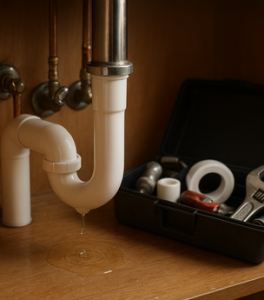
Like many older New England cities, Haverhill still has some properties with lead service lines or lead solder in older plumbing systems. Lead exposure poses serious health risks, particularly for children, affecting cognitive development and overall health. Local plumbers are at the forefront of identifying and replacing these hazardous materials, working with homeowners and the city to ensure safe water delivery.
Water Conservation and Quality
Modern plumbing isn’t just about access—it’s also about sustainability and quality. Today’s plumbers install low-flow fixtures that conserve water without sacrificing performance, water filtration systems that remove contaminants, and backflow prevention devices that protect the municipal supply from contamination. These installations follow standards established by organizations like the American National Standards Institute to ensure safety and reliability.
In a community like Haverhill, where many homes still rely on well water in certain neighborhoods, plumbers provide critical services testing water quality, installing treatment systems, and ensuring private water supplies meet safety standards.
Emergency Response and Disaster Prevention
New England weather can be brutal on plumbing systems. Frozen pipes, flooding from nor’easters, and the general wear that comes from temperature extremes mean that emergency plumbing services are essential to maintaining public health. A burst pipe in winter isn’t just property damage—it can render a home uninhabitable and create conditions for mold growth that threatens respiratory health.
Looking Forward: The Future of Plumbing and Public Health
As Haverhill continues to grow and evolve, plumbers will remain essential to public health infrastructure. Emerging challenges like climate change, aging infrastructure, and new contaminants require ongoing expertise and innovation.
Climate Adaptation: As weather patterns become more extreme, plumbing systems must be designed to handle both intense cold snaps and heavy precipitation events. Local plumbers are developing new strategies for protecting systems against these challenges.
Smart Home Technology: Modern plumbing increasingly incorporates sensors and monitoring systems that can detect leaks, track water quality, and alert homeowners to problems before they become health hazards.
Sustainable Systems: From greywater recycling to rainwater harvesting, innovative plumbing solutions can reduce strain on municipal systems while maintaining health standards.
Recognizing the Impact
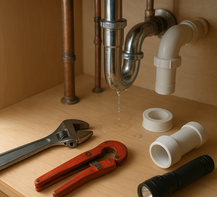
The next time you turn on your tap for a glass of clean water, wash your hands before preparing a meal, or take a hot shower after a cold Massachusetts day, take a moment to appreciate the complex systems and skilled professionals that make it possible. Haverhill’s plumbers have been instrumental in creating the healthy, thriving community we enjoy today.
Their work has saved countless lives, prevented immeasurable suffering, and created the conditions necessary for good nutrition and overall wellness. While they may not wear white coats or work in hospitals, plumbers are undeniably public health professionals whose contributions deserve recognition and respect.
From the early pioneers who installed Haverhill’s first indoor plumbing systems to today’s professionals maintaining and upgrading our infrastructure, these skilled tradespeople have shaped our community’s health outcomes in profound ways. The clean water flowing through our homes, the safe disposal of waste, and the sanitary conditions we often take for granted are all testaments to their expertise and dedication to our community’s well-being.