
Jersey City Pest Controllers Reveal: Why Nutrition Starts With Pest Management That Keeps Food Safe
The Hidden Connection Between Pest Control and Nutritional Health
When most people think about nutrition, they focus on selecting fresh produce, lean proteins, and whole grains. However, an often-overlooked factor in maintaining nutritional quality is protecting food from pest contamination. Pests pose serious threats to food safety, compromising the nutritional value and safety of the foods we consume daily.
Rodents, insects, and other pests carry harmful bacteria, pathogens, and parasites that can contaminate food supplies at multiple points in the supply chain. From grocery stores to home kitchens, pest activity can introduce dangerous microorganisms like Salmonella, E. coli, and Listeria into our food environment. Understanding this connection is essential for anyone concerned about their family’s health and well-being.
How Pests Compromise Food Quality and Safety
Pests affect food in several devastating ways that directly impact nutrition and safety. Rodents and cockroaches leave behind droppings, urine, and shed skin that contaminate surfaces where food is prepared and stored. These contaminants introduce bacteria and allergens that can cause serious illness.
Direct Contamination
When pests come into contact with food, they transfer pathogens from their bodies and waste products. A single mouse can produce up to 75 droppings per day, each potentially carrying disease-causing organisms. Cockroaches regurgitate digestive fluids and defecate on surfaces as they move, spreading bacteria across countertops, pantries, and food storage areas.
Nutrient Degradation
Beyond contamination, pests actually consume and destroy nutritious food. Pantry moths, weevils, and beetles infest grains, cereals, nuts, and dried goods, rendering them inedible. This not only wastes food but forces families to discard items they planned to use for balanced meals.
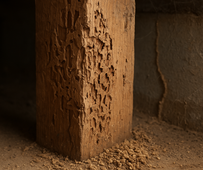
The Role of Professional Pest Management in Protecting Nutrition
Professional pest control services play a critical role in maintaining food safety throughout Jersey City communities. Effective pest management creates protective barriers that keep contaminating pests away from food sources, ensuring that the nutritional value of stored and prepared foods remains intact.
Regular inspections identify potential pest entry points, conducive conditions, and early signs of infestation before they become serious problems. Professional technicians understand pest behavior patterns and can implement targeted strategies that address specific threats to food safety. This is why partnering with Jersey City Pest Control professionals is essential for maintaining a healthy home environment where food remains safe and nutritious.
Preventive Measures for Homeowners
While professional services provide comprehensive protection, homeowners can take important steps to support pest management efforts and protect their food supply. Research from the University of Florida IFAS Extension and other scientific institutions has established best practices for integrated pest management in residential settings.
Proper Food Storage
- Store dry goods in airtight containers made of glass or heavy plastic
- Keep fruits and vegetables in sealed containers or refrigerators
- Never leave food out overnight on countertops
- Regularly check expiration dates and rotate food stocks
Sanitation Practices
- Clean up spills and crumbs immediately after meals
- Take out garbage regularly and use sealed trash containers
- Wipe down countertops, tables, and food preparation areas daily
- Vacuum and sweep floors frequently to remove food particles
The Long-Term Health Impact
Maintaining a pest-free environment isn’t just about avoiding immediate contamination—it’s about supporting long-term health outcomes for your entire family. When food remains uncontaminated by pests, its nutritional value is preserved, and the risk of foodborne illness decreases dramatically.
Children, elderly family members, and those with compromised immune systems are particularly vulnerable to pest-related food contamination. Protecting these vulnerable populations requires vigilant pest management combined with proper food handling practices. Studies supported by organizations like NSF continue to demonstrate the critical link between pest control and public health outcomes.
Building a Comprehensive Food Safety Strategy
True nutritional health begins with ensuring that the food entering your body is safe, clean, and free from pest contamination. By combining professional pest control services with proper home sanitation and food storage practices, Jersey City residents can create environments where nutrition and safety work together to support optimal health outcomes for years to come.